
My client was furious with us, and honestly, they had every right to be.
Voice input is not recommended for account IDs because numeric identifiers require zero tolerance for errors. A single misheard digit, often due to accents, phonetic similarities (e.g., “three” vs. “four”), network latency, or varied user speech patterns, renders the entire input invalid. This drastically reduces recognition accuracy, making it unreliable for critical identification.
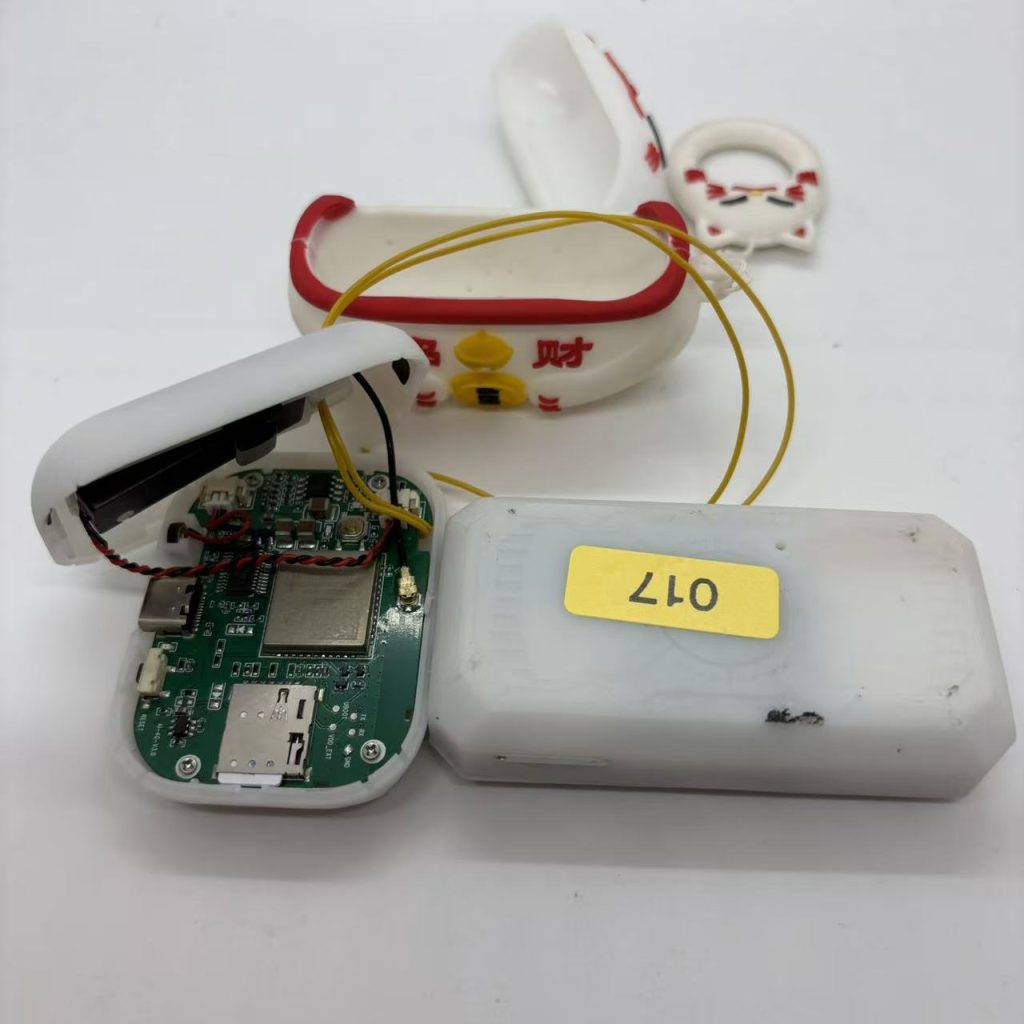
Last year, I led a project for a screenless AI hardware device. The concept was simple and compelling: a student speaks their ID number out loud, and the system instantly pulls up their study records and teacher comments. On paper, it sounded like a seamless user experience. In practice, it was a disaster.
Looking back, the root cause comes down to one mistake: I was way too overconfident in speech recognition.
High-Tolerance vs. Zero-Tolerance Voice UX
Voice recognition works brilliantly for conversational, high-tolerance scenarios. If you ask a device to "tell me a story" or "what's the weather today?", misinterpreting a word or two doesn't break the experience. The system still gets the general intent.
Numeric identifiers are completely different. If a user dictates an eight-digit student ID like "20230341," a single misheard digit breaks the entire query. There is no partial credit. It’s zero tolerance.
When we tested this in the real world, edge cases piled up fast:
- Accents and Phonetics: The system constantly mixed up numbers with similar sounds (like "three" and "four" or "one" and "seven" in regional accents).
- Network Latency: On weak Wi-Fi networks, transcription delays forced users to sit in silence, only to get an error message.
- Behavioral Variables: Kids talked too fast, mumbled, or held the device at weird angles relative to the microphone.
Combined, these factors meant our baseline recognition accuracy for the very first step of the interaction was unacceptably low. If step one fails, nothing else matters.
The Screenless Trap
What made this exponentially worse was the form factor. On a smartphone or tablet, a voice recognition error is a minor inconvenience. The user sees "20230342" on the screen, spots the wrong digit, taps to fix it, and moves on.
On a screenless device, there is zero visual feedback. When it fails, the user doesn't know *why* or *where* it failed. They’re stuck repeating a string of numbers over and over, getting more frustrated with every attempt.
Here’s my takeaway so you don't make the same mistake: Never use voice recognition as the sole input method for critical identity numbers.
The Pivot
I realized this far too late in the development cycle, wasting our client's time and trust. Their frustration was completely justified.
We are currently rolling out a fix: student IDs are now bound to the user's account during onboarding on a mobile app. The hardware device simply authenticates *who* is using it, rather than forcing them to dictate an 8-digit code on the fly. We're reserving voice purely for what it excels at: open-ended, forgiving, conversational interactions.
Only once this updated flow is rock-solid will I reach back out to that client.
My Rule of Thumb for AI Hardware
In the AI hardware space, the easiest trap to fall into is confusing "AI can do this" with "AI should do this here."
Yes, AI can transcribe numbers. But expecting it to flawlessly transcribe an 8-digit string in a noisy room, across various accents, over spotty Wi-Fi every single time? That's not something current tech can guarantee.
Now, whenever we design a hardware product, I ask one core question:
> If the AI makes a mistake at this step, can the user easily recover?
If the answer is no, do not make AI responsible for that step.
Have you ever shipped a voice feature that looked great on paper but failed in production? Let's swap war stories in the comments—it's much better to talk openly about these failures than pretend they don't happen.