
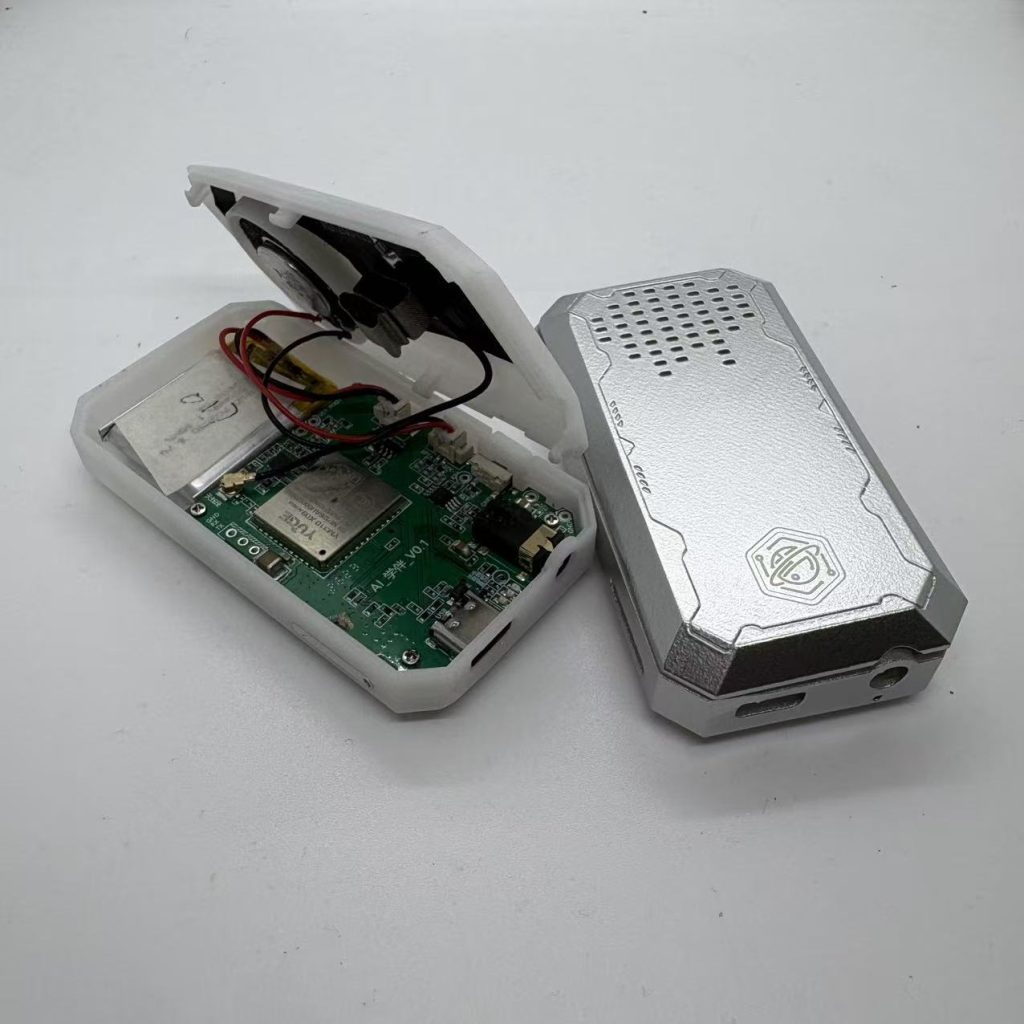
When my lead engineer held up two 4G SIM slot options and asked which one we should go with, I didn't hesitate.
<div class="aice-quick-answer" style="background:#f0f7ff;border-left:4px solid #2563eb;padding:14
"Solder it inside. Don't give users the chance to pull it out."
That "user-first" decision almost killed our distribution channels and obliterated our margins overseas. Here is the post-mortem on why I made that call, why it backfired, and how we fixed it.
The Flawed Logic
My reasoning seemed bulletproof at the time. Industrial IoT SIM cards are notoriously sensitive; if a user yanks one out, it usually gets bricked. I wanted to protect users from their own mistakes, so I made the executive call to weld the SIM directly onto the board.
It sounded thoughtful and proactive. In reality, it created three massive nightmares I never saw coming.
1. Channel Partners Hated It
Our sales channels revolted. Some telecom partners wanted to bundle their own secondary consumer SIMs, not our IoT cards. Others had cheaper local data contracts and wanted us to pre-load their SIMs at the factory. Because our SIM was soldered shut, we couldn't accommodate any of them. Distributors called our design rigid and walked away.
2. A Dead SIM Meant a Bricked Device
When an IoT SIM inevitably failed or got deactivated, there was no easy way to swap it out. Replacing a $0.50 card required a complete teardown of the device enclosure. The entire RMA burden and repair cost landed squarely back on my P&L.
3. Overseas Margins Collapsed
We built 4G modules meant for expansion in Asia and Africa. In China, IoT data is dirt cheap. Overseas, data plans are significantly more expensive. By embedding a pre-loaded SIM into the hardware, we drove up the upfront BOM and unit retail price globally. I had effectively forced international customers to buy expensive data upfront whether they wanted it or not.
The Fix: Giving Up Control
We swallowed our pride and redesigned the enclosure to use an Apple-style SIM tray. We put the power of choice back into the hands of our channels and users.
But what about my original fear—users pulling the card, breaking it, and blaming us?
The solution was stupidly simple: we placed a tamper-evident void sticker over the SIM tray slot. If a device shipped with our card and the customer broke the seal to remove it, the SIM warranty was voided.
Drawing a clear line of liability instantly dissolved all my middle-of-the-night anxiety.
The Founder's Takeaway
Looking back, my mistake was assuming I knew what our channels and users needed better than they did. Hardcoding choices under the banner of "protecting the user" actually strangled our product's flexibility and burned cash.
If you're building hardware, never make a decision yourself that you can delegate to your users or distributors. What feels like "thoughtfulness" on your end might just be blocking someone else's business.
***
*Are you currently building 4G or IoT hardware? How are you handling SIM slots, data plans, or global roaming? Drop your thoughts in the comments. Follow along for the next post, where I'll break down the overseas supply chain traps we fell into next.*