
What happens when computers learn to think like human brains?
1. Why Should Computers Mimic the Brain?
Imagine your smartphone battery lasting a whole month, self-driving cars navigating like experienced drivers, and smart home devices truly understanding your needs—these scenarios that sound like science fiction are exactly what scientists hope to achieve with neuromorphic computing.

Traditional computer chips are like super diligent factory workers. They have a “brain” (the processor) and a “warehouse” (the memory). Every time they need to process information, they must fetch data from the warehouse, bring it to the brain for calculation, then send it back to storage.
Your brain contains about 86 billion neurons, like a massive social network. Each neuron is an independent “mini-processor,” working simultaneously and passing messages to each other.
2. The Magic of “Spikes”: The Brain’s Morse Code

If traditional computers are like phone calls—with information constantly streaming—then the brain works more like telegraph messages—conveying information through brief signals.

Each neuron is like a tiny power bank. When it receives enough signals, it discharges, sending out a spike signal. This “on-demand service” approach reduces energy consumption by ten or even dozens of times.
3. Connections That “Learn”: The Secret of Friendship
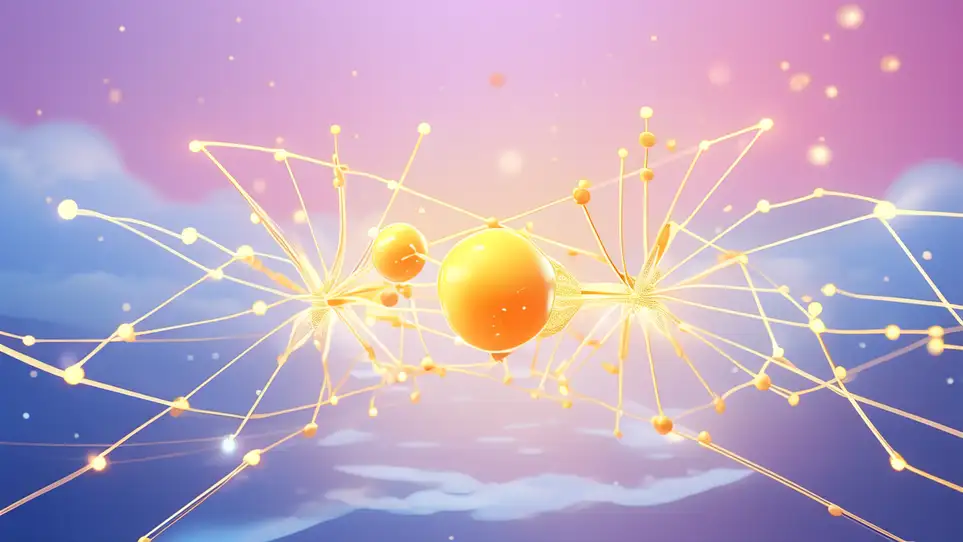
The brain’s most magical aspect is that the connections between neurons constantly change, learn, and grow. When learning to ride a bicycle, the “balance” neurons and “pedal hard” neurons frequently activate together, strengthening their connection.
4. Neuromorphic Chips: A Microscopic City
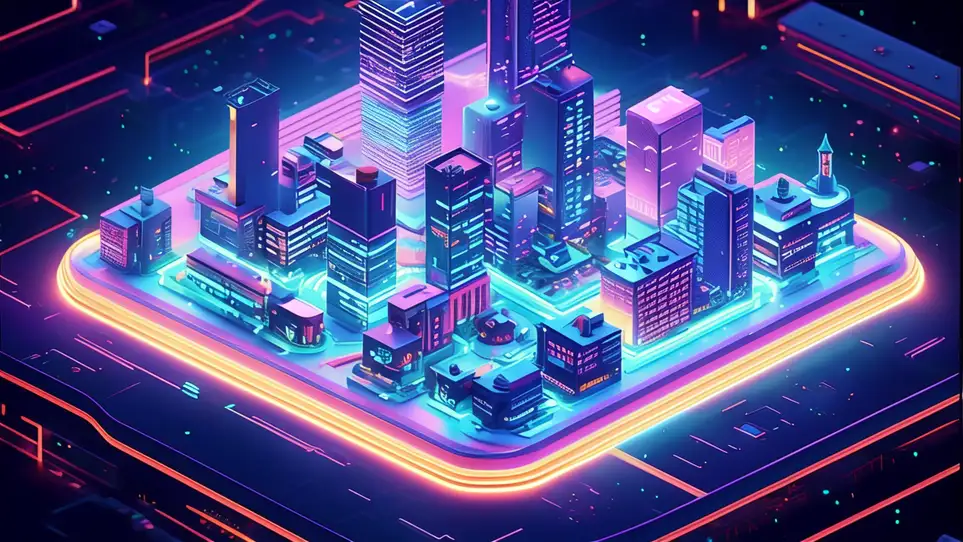
If you zoom in on a neuromorphic chip, it looks like a precisely planned microscopic city with warehouse districts, post offices, residential areas, and city hall coordinating everything.
5. What Can It Do? Smart Assistants Coming to Life
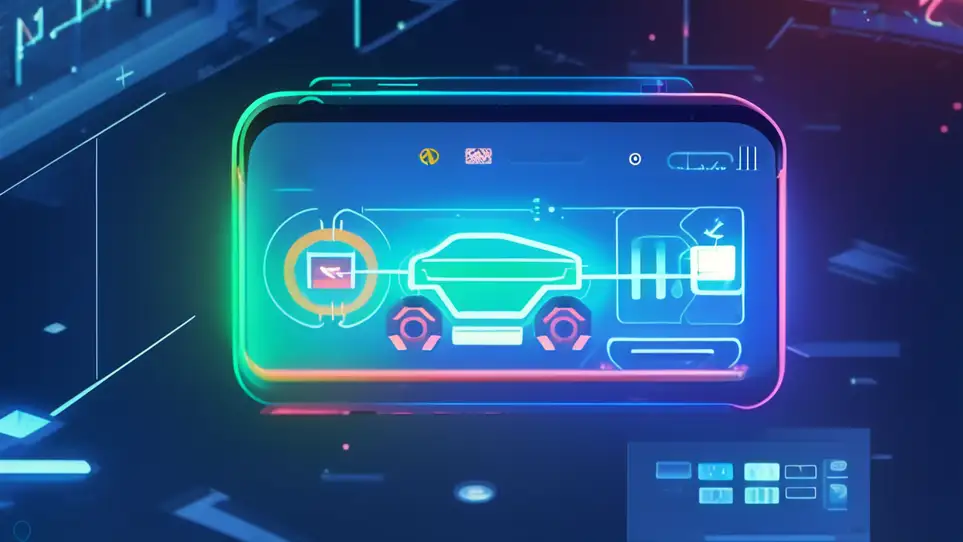
Self-driving cars can react faster than a human blink. Smartwatches with month-long battery life that learn your body patterns. Factory robots that spot defects at a glance. Medical devices that monitor 24/7 without battery changes.
6. What Challenges Remain?

We’re still figuring out the best teaching methods for neuromorphic chips, developing better programming tools, and working to bring costs down from labs to living rooms.
7. Looking to the Future

Imagine smart devices that understand your needs, self-driving cars that sense your emotions, and home devices that communicate with each other—all while using minimal energy.

When computing devices worldwide adopt brain-like chips, the electricity we save could power a small country. The future is already here—it’s just not evenly distributed yet.